Новый Умный поискНаходите свои события быстрее с помощью
AI-поиска — просто спросите «Семейные мероприятия с детьми»
AI-поиска — просто спросите «Семейные мероприятия с детьми»

Новый Умный поискНаходите свои события быстрее с помощью
AI-поиска — просто спросите «Семейные мероприятия с детьми»
AI-поиска — просто спросите «Семейные мероприятия с детьми»
- Присоединяйтесь к Plus
- События События
- Достопримечательности и развлечения Достопримечательности и развлечения
- Halloween
- Концерты
- Шоу и театры
- Спорт
- Комедийные события
- Что нового в Абу-Даби
Популярные события
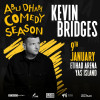
GME Events представляет Kevin Bridges в Etihad Arena в Абу-Даби
сб 9 янв
295.00 AED

Tamer Hosny & Tamer Ashour в Абу-Даби
сб 17 окт
250.00 AED

Призрак оперы в Абу-Даби
ср 10 мрт–вс 28 мрт
240.00 AED

Концерт Ханса Циммера в Etihad Arena, Абу-Даби
пт 13 нбр
245.00 AED
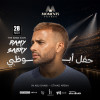
Арабская звезда Рами Сабри — концерт на арене «Этихад»
сб 28 нбр
195.00 AED

ANYMA представляет ÆDEN в Абу-Даби
пт 4 дек
545.00 AED

Таркан в Etihad Arena в Абу-Даби
пт 27 нбр
295.00 AED
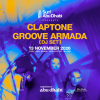
Claptone и Groove Armada в Абу-Даби
пт 13 нбр
250.00 AED

IIFA Awards 2027 in Abu Dhabi
сб 23 янв
200.00 AED
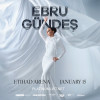
Ebru Gündeş в Etihad Arena
пт 15 янв
325.00 AED
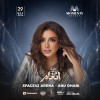
Angham на Space42 Arena, Абу-Даби
вс 29 нбр
295.00 AED

BREDx | Bryson Tiller и Central Cee в Абу-Даби
сб 14 нбр
295.00 AED

Mo Amer в Etihad Arena
пт 6 нбр
325.00 AED
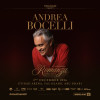
Yasalam Classics представляет концерт Андреа Бочелли в Абу-Даби
ср 2 дек
295.00 AED

Очень голодная гусеница в Cultural Foundation, Абу-Даби
пт 6 нбр–сб 7 нбр
125.00 AED

Специальные предложения PLUS

MDLBEAST представляет X IN ACT - Black Coffee в Джидде
пт 23 окт
500.00405.00 SAR
Adriatique представляет X на мероприятии Ushuaïa Dubai Harbour Experience
сб 14 нбр
195.00 AED

Шоу иллюзий «Beyond Limits» от Сергея Воронцова
сб 5 сен–сб 24 окт
159.00 AED

Elissa at OCEC in Muscat
пт 13 нбр
31.0049.00 OMR

Summer in Nashville Dubai 2026
сб 31 окт
175.00 AED
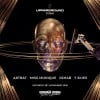
ARTBAT представляют Upperground в Ushuaïa Dubai Harbour Experience
сб 28 нбр
150.00 AED
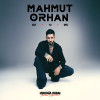
Mahmut Orhan в Ushuaïa Dubai Harbour Experience
сб 12 дек
150.00 AED

tabletop.me в Дубае
пт 6 нбр
49.00 AED
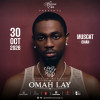
Omah Lay в Маскате
пт 30 окт
35.00 OMR


Sole представляет Prateek Kuhad | Тур Full Moon Chamber | Дубай
сб 24 окт
195.00 AED

Воспоминания об аниме в Cultural Foundation
сб 17 окт
130.00 AED
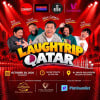
Laughtrip в Катаре с Alex Calleja и Comedy Crew
чт 29 окт
200.00 QAR
- Лучшие развлечения
- Специальные предложения PLUS
- Лучшее для посещения
- Достопримечательности в помещении
- Лучшие достопримечательности
- Тематические парки
- Мероприятия
- Достопримечательности на открытом воздухе
- Специальные предложения аттракционов
- Комбо и другие приключения
- Музеи
- Все достопримечательности
Самые популярные достопримечательности


TeamLab Phenomena Abu Dhabi
53.00 AED

The National Aquarium Abu Dhabi
76.50 AED

Комбо: TeamLab Phenomena + Yas Waterworld
вт 18 нбр
307.00 AED

Билеты в Ferrari World, Абу-Даби
вт 7 июл–вт 15 дек
310.50 AED

Snow Abu Dhabi Tickets
149.00 AED


SeaWorld® Yas Island, Abu Dhabi
337.00 AED


Зоопарк Emirates Park Zoo
65.0065.00 AED

Qasr Al Watan
30.00 AED

Warner Bros. World™, Abu Dhabi
345.00 AED

Prison Island Abu Dhabi - 2 and 3 Hours Experience
чт 14 май–сб 31 окт
159.00 AED

Zayed National Museum
пт 26 июн–вс 31 янв
49.00 AED

Museums Pass - Louvre, Zayed National Museum & Natural History Museum Abu Dhabi
сб 25 апр–сб 31 окт
120.00 AED

Yas Waterworld Yas Island, Abu Dhabi
265.50 AED
Специальные предложения PLUS
House Of Hype-Dubai Mall
110.00 AED
Билеты в Ferrari World, Абу-Даби
вт 7 июл–вт 15 дек
310.50 AED

At the Top, Burj Khalifa Silver
чт 30 апр–вт 10 нбр
188.00 AED